The Shadow Agenda: How Pre-Meeting DMs Are Quietly Running Your Organization

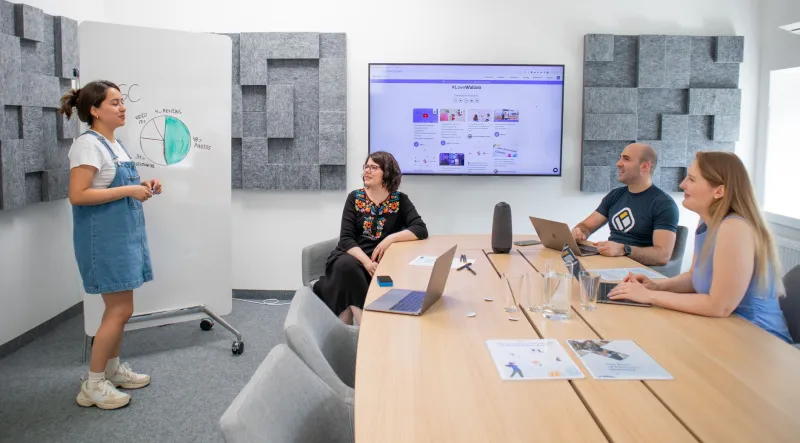
Here's a scenario that might feel uncomfortably familiar. You join a team meeting — video grid loaded, agenda shared, everyone's nominally present. Someone floats a proposal. A few people nod almost immediately. Others look mildly confused, like they wandered into the second act of a play. Within ten minutes, the "discussion" wraps up with a decision that felt less like a group conclusion and more like a formality.
What just happened? Odds are, the real meeting happened an hour earlier — in a DM thread, a tight Slack huddle, or a quick text chain between two or three people who already worked through every angle before the invite even hit your calendar.
Welcome to the shadow agenda. It's not malicious. It's not always even intentional. But it's reshaping how decisions get made on your team, and most organizations have no idea it's happening.
Why the Pre-Meeting Meeting Exists
People don't coordinate in private channels because they're trying to exclude anyone. They do it because it's easier. Group messaging tools have made casual, low-stakes conversation so frictionless that it's natural to fire off a quick DM to a trusted colleague before bringing something to the full team.
"Hey, what do you think about pitching the new onboarding flow in today's sync?" That's a reasonable message. But when that conversation extends into a full strategic debrief — with objections raised, counterarguments worked through, and a consensus quietly reached — the official meeting becomes a rubber stamp.
There's also a psychological comfort factor at play. Floating an idea to one person feels safer than presenting it cold to twelve. Nobody wants to look underprepared in front of the whole team, so they road-test their thinking in smaller, lower-risk conversations first. That instinct is completely human. The problem is structural: when only some people have access to that pre-game conversation, the playing field tilts hard.
The Inclusion Problem Nobody's Talking About
Here's where it gets thorny. The people who get looped into pre-meeting DMs aren't chosen at random. They tend to be whoever is already close to the decision-maker — same time zone, same communication style, same informal network. Which means the folks who aren't in those threads — newer team members, people in different regions, introverts who don't naturally slide into casual messaging — show up to meetings already behind.
They haven't heard the context. They haven't had a chance to raise concerns privately. And when they do speak up in the official meeting, they're often pushing back on a conclusion that the inner circle already considers settled. That dynamic erodes psychological safety fast. After a few rounds of feeling like their input arrives too late to matter, people stop contributing at all. They go quiet. And then leaders wonder why engagement is dropping.
This is one of the subtler ways that group messaging tools — built to improve communication — can accidentally concentrate it instead.
The Meeting Becomes Theater
When pre-meeting alignment becomes routine, official meetings start to feel performative. The agenda exists, but it's decorative. The "open discussion" slot is really just a waiting period before the predetermined outcome gets announced. People can feel this, even if they can't name it. Meetings start to feel like a waste of time — because functionally, they are.
That's a morale problem as much as a productivity problem. Teams that feel like decisions happen to them rather than with them disengage. Turnover creeps up. The people who do eventually leave often cite feeling unheard, even if the surface-level culture looked collaborative.
Bringing the Shadow Conversations Into the Light
The goal here isn't to police DMs or ban pre-meeting coordination — that's both unrealistic and counterproductive. People will always talk informally, and that's actually healthy. The fix is about creating structures that surface those conversations back into shared spaces before decisions harden.
Share pre-work openly. If you've been thinking through a proposal in a small group chat, post a summary to the broader team channel before the meeting. Something as simple as "Here's what we've been kicking around — would love your take before we discuss" changes the dynamic completely. It invites input rather than presenting a fait accompli.
Create a pre-meeting thread in your main channel. Instead of letting alignment happen in scattered private DMs, open a dedicated async discussion space before each significant meeting. Give everyone — regardless of time zone or communication style — a chance to weigh in before the live conversation starts. The meeting then becomes a place to resolve tension, not just confirm consensus.
Name the pattern when you see it. If you're a team lead and you notice that the same three people always seem pre-aligned when the meeting starts, that's worth addressing directly. Not accusatorially — just honestly. "I want to make sure we're building in space for everyone to shape this, not just the people I've already talked to."
Rotate who gets the early conversation. If you tend to road-test ideas with the same trusted colleagues every time, deliberately bring in someone different. Someone newer. Someone in a different role. Someone who usually stays quiet in the big meeting. You might be surprised what you hear.
Audit your meeting outcomes. Who speaks first? Whose ideas gain traction? Who tends to look surprised by where the conversation goes? These patterns reveal who's inside the pre-meeting loop and who isn't. You can't fix what you haven't noticed.
Real Collaboration Doesn't Have a VIP List
The best teams aren't the ones where everyone shows up to meetings with zero preparation. They're the ones where the preparation is shared — where the informal thinking happens in channels everyone can see, where context gets distributed before decisions crystallize, and where the official meeting is genuinely the place where diverse input shapes the outcome.
Group messaging tools are powerful enough to make that happen. The question is whether you're using them to open conversations up or to quietly narrow them down before most of your team even gets a seat at the table.
If your meetings keep feeling hollow, it might not be the meeting format that needs fixing. It might be everything that's happening in the hour before it starts.